
11 September 2025
From back office to business partner
The has evolved with a changing world. While payroll was once a purely operational, “back office” task, today, it is cross-functional, touching HR, finance, legal, compliance and, crucially, employee experience.
Ana reflected on that shift against the limited shift in perception, “Progressive organisations see payroll as part of a cross-functional team with HR, finance, legal and compliance. But in smaller or locally focused organisations, payroll is still treated as a back-office function, and that limits its strategic impact.”
The pandemic accelerated payroll’s visibility, cementing its role as an “essential service.” Since then, the remit has expanded again from compliance and audit readiness to providing intelligence on budgeting, forecasting, turnover and pay equity.
As Ana put it, “It is about the additional services and value we add in addition to delivering on the core service of paying accurately and on time.”
The risks of payroll are high-profile. One mistake and the damage is immediate. “Are we sometimes easy pickings?” Ian asked. “If we make a mistake, it’s remembered, but the many positive impacts often go untold.”
Compliance was a recurring theme. Payroll sits at the centre of governance, ESG reporting, and fraud prevention. Yet it is also a potential gateway to financial resilience for both employees and organisations.
As one attendee noted, “Engaging with professional bodies is important in raising brand awareness, for example, showing the Financial Conduct Authority how payroll can be a gateway to financial inclusion and how it can help them meet their own goals around culture.”
The employee-as-customer mindset
One interesting reframing suggestion was to look at employees as customers. Payroll is their most consistent touchpoint with the business and trust is built or broken in that moment.
"I will drill into my teams that we treat the employee as a customer, somebody who uses our services. It’s all about that culture, the environment in which we work," Ian said, "that’s what will retain people in a business. Somehow we get lost in that part that we play. "
Benefits make this even more relevant. With the mandating of payrolling benefits, many payroll teams are now being asked to implement, communicate and administer reward offerings. In some organisations, payroll is already responsible for pensions, benefits, audits and systems management.
As another attendee stated, “Business partnering is a huge part of telling the story. We need to build confidence in payroll professionals to have those conversations.”
Done well, benefits can be the difference between an employee performing or disengaging. Payroll’s role in this makes it not just a processor of pay, but a shaper of performance and wellbeing.
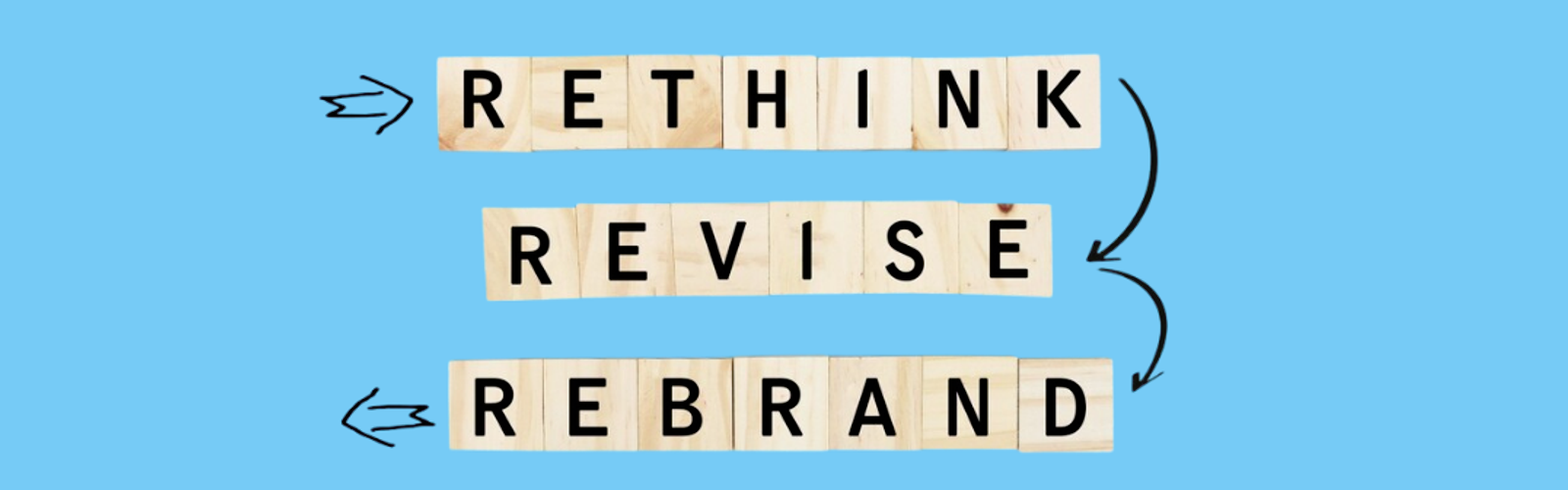
Branding vs. storytelling
A live poll revealed the split:
-
63% said payroll doesn’t need a new identity, but its value must be redefined and communicated
-
38% said payroll needs a new identity altogether
-
0% believed payroll is fine as it is
Nick offered a note of caution, “If we change the label without changing the story, we gain nothing. This isn’t a branding problem, it’s a recognition problem.”
Mel echoed this, urging a focus on positive storytelling, “I don’t think we should rebrand. We need to change the narrative. Too many posts talk about payroll being undervalued. That switches people off. We need to start flipping the narrative so that it is really positive and really talking about the actionable things that the payroll department does.”
She added, "payroll isn’t just payroll. It’s pensions, it’s stocks, it’s shares, it’s reward, it’s human resources, it’s expats, it’s global mobility. It’s a bit of everything within the company. So, in theory, we should look at payroll as being the central department, and then it feeding every other department in the business."
Nick agreed that payroll doesn’t need a rebrand, saying "we wouldn’t be having this conversation 10 or 20 years ago. Why would we jump off the horse while it’s running?"
He added, "We spend so much time telling people what we do, not how that adds value. To get investment, we’ve got to tell C-Suite how that makes a difference to them. That’s where payroll is now, is very much aligned with the employee experience. It’s not enough to say we pay people on time. We’ve got to look at the wider trends [like staff turnover]. That shows the value to the organisation."
For Ian, branding has real consequences for talent, “We risk being undervalued because of how we’re branded. We regale our stories about how we used to do it. But those coming in now have a new marketing perception of what the role is. The challenge we’ve got is that we risk losing out on amazing talent. We risk continuing that legacy of people falling into the profession and then loving it and never leaving it, because it’s just in many ways, mis-marketed.”
Looking ahead, Ana said she believes payroll does need a rebrand, and change of mindset, and that it should be a centre of workforce intelligence, a data powerhouse driving business objectives. While Ian’s position was that payroll’s impact should be remembered for shaping policy, enhancing employee offering, and achieving culture.
Mel added that payroll must be seen in five years time as “proactive and dynamic" and the central business partner for everyone.
Highlighting where this debate should be focused, Nick pointed out that if we tell the story well, payroll could become a centre of excellence and central to business strategy, adding, "if we don’t, we’ll still be in the same space and having the same conversation in 10 years.”
Does payroll need a rebrand? Given the outcome of this Insight Series, it does, at best, need reframing. A clearer story of its value, a stronger voice in the boardroom, and a shift from being remembered for mistakes to being recognised for impact.